

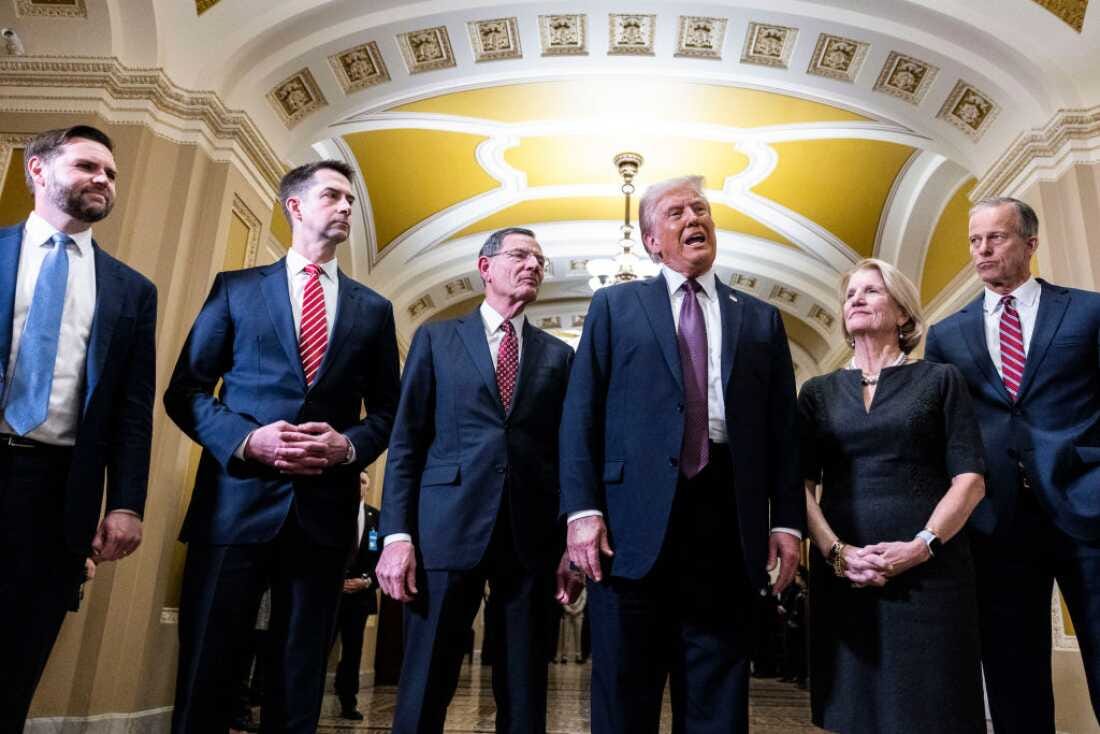
Lately, things have been bleak. That’s putting it mildly.
Whether it’s rising energy costs, the launching of wars of choice (and yes, we include ICE waging a domestic war in this category), a Congress and Supreme Court hellbent on advancing Trump’s agenda, or blatant corruption seemingly a constant among administration officials, it’s done a lot to make regular Americans feel powerless.
It’s true that right now, it feels like there’s little to be done to stop Trump and his allies from trampling over the rights and liberties of Americans across the country, but this misses the change that is happening.
After years of “strongly worded letters” and public, yet purposeless, condemnations of Trump, Democrats have finally begun to fight fire with fire. In doing so, they’ve learned the oldest lesson in the book: to beat a bully, you first have to stand up to them. In Virginia and California, Democrats did just that, successfully passing new congressional maps to give the party additional seats in Congress in response to Trump’s attempt to rig the midterms with gerrymandered maps in Texas, Ohio, North Carolina, Missouri, and others.

In special election after special election, Democrats are massively overperforming by ten, fifteen, twenty, or even twenty-five points or more across the nation. Millions of people have turned out and protested at “No Kings” rallies across the nation, and the coalition that Trump once hailed as one that would keep Republicans in power for a generation is collapsing in epic fashion.
In isolation, these election results have little meaning. Simply putting Democrats in power is one thing; what they do with that power is an entirely separate question.
As we’ve seen in previous elections, young people are increasingly transactional voters. We aren’t loyal to any one candidate, party, or ideology. We’re concerned about the kind of future we’ll be living in, whether we can afford that future, and whether that future is one where our friends are safe, where we can love who we love, and where our fundamental rights aren’t reduced to being the subject line of a DNC fundraising email.
In short, we reward parties who benefit us directly, not just rhetorically, and punish those who take us for granted or who seek to undermine our present and future realities. It’s a lesson Democrats learned the hard way in 2024, when young voters swung towards Trump and Republicans amidst economic and social concerns.
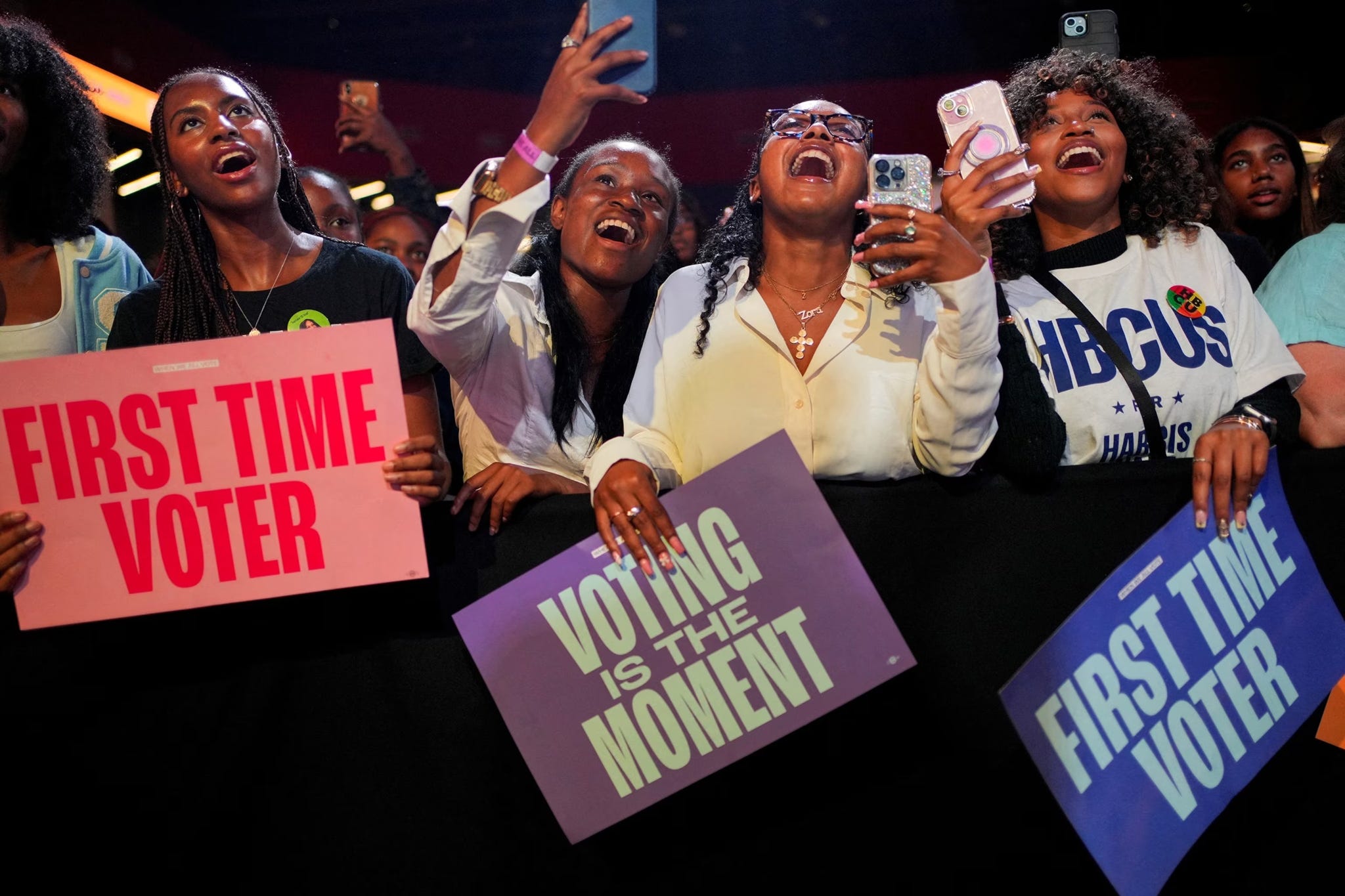
Democrats’ victories have since been powered by youth voters, from Abigail Spanberger’s landslide victory in Virginia, or Mikie Sherrill’s victory in New Jersey, to Zohran Mamdani’s come-from-behind victory in New York City. This turnout was a response to all three candidates running on platforms of effective governance reflecting the urgency of action to stand up to Trump’s militarization of America and destruction of the economy.
They were given a chance with a stipulation: Should they fail, we wouldn’t forget.
So they set into motion.
In Virginia, Governor Spanberger has signed legislation raising the state minimum wage to $15 an hour, codifying reproductive rights, expanding housing availability, and signed a constitutional amendment repealing the ban on same-sex marriage.
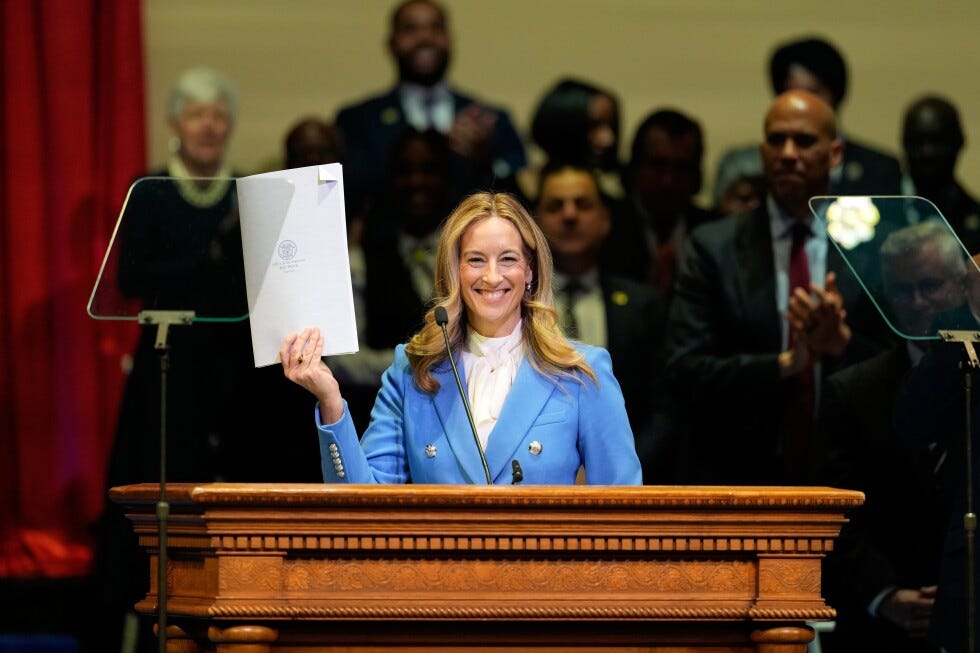
In New Jersey, Mikie Sherrill has expanded first-time homebuyer assistance, capped rent increases in high-pressure regions, expanded tax deductions for student loan repayment, and repealed New Jersey’s ban on nuclear energy, helping directly reduce energy costs.
In New York City, Zohran Mamdani recently launched a program to provide free and reduced-cost groceries at stores administered by the city. He’s rolled out a program for free 3-K, with the program set to include all young children by 2030, and announced New York’s first ever pied-à-terre tax on nonresidents who own homes valued over $5 million.
What each of these leaders have done is show the power of possibility. Each have provided a window into what a better future could look like for young people if we elect leaders who are responsive to our needs. Not mere lip service, but meeting those needs through real action – through legislation and budgets that speak to our lives. Put simply, fighting for us in the same way they fight for their corporate donors in bill language and million-dollar contracts.
However, what these leaders have understood beyond the crazy idea that you should deliver on the promises you make in the course of a campaign is that it isn’t enough merely to do something. You must also show that you’re doing it. Voters can’t reward what they don’t know is happening.
In today’s media ecosystem, governance doesn’t happen behind closed doors or out of the public view, only to be revealed intangibly by reduced taxes or better infrastructure. Elected leaders must now also explain, defend, and translate policy into digestible mediums to the people they affect.
Increasingly, that medium is digital messaging and public events.
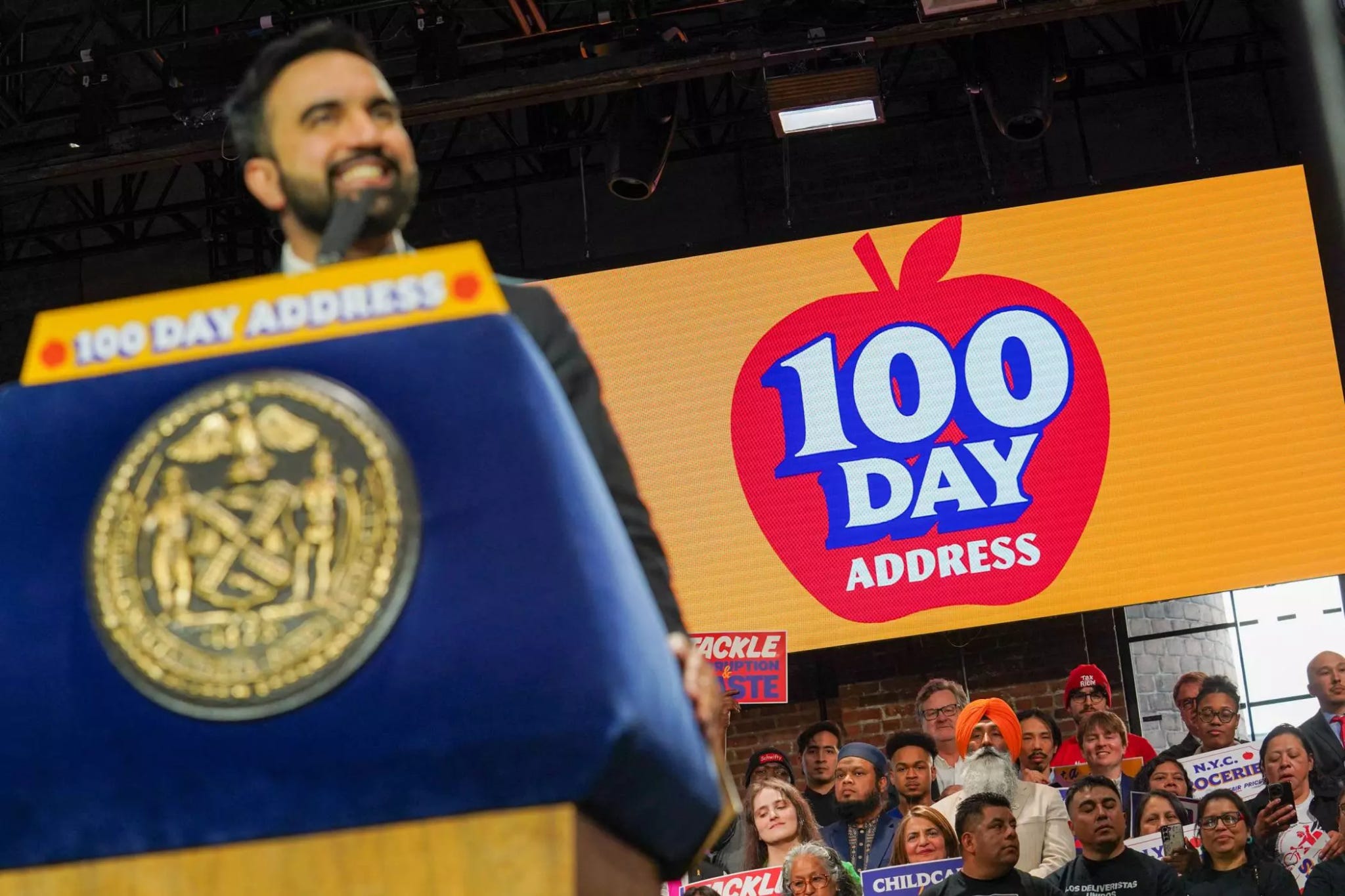
To continue with our current cast of characters, in New York City, Zohran Mamdani has continued his avid use of social media to advocate for his policies and create publicity around otherwise boring and monotonous municipal functions. To mark his 100 days in office, he held a presidential-style rally in the city with Bernie Sanders to tout his achievements and rally public support, a move unprecedented in scale for a city mayor. In New Jersey, to announce new infrastructure funds, Mikie Sherrill curated an event in a subway hall, flanked by subway cars and workers in hardhats. In Virginia, to mark the codifying of reproductive rights in Virginia, Abigail Spanberger flanked herself with abortion advocates, community leaders, and power players in Richmond.
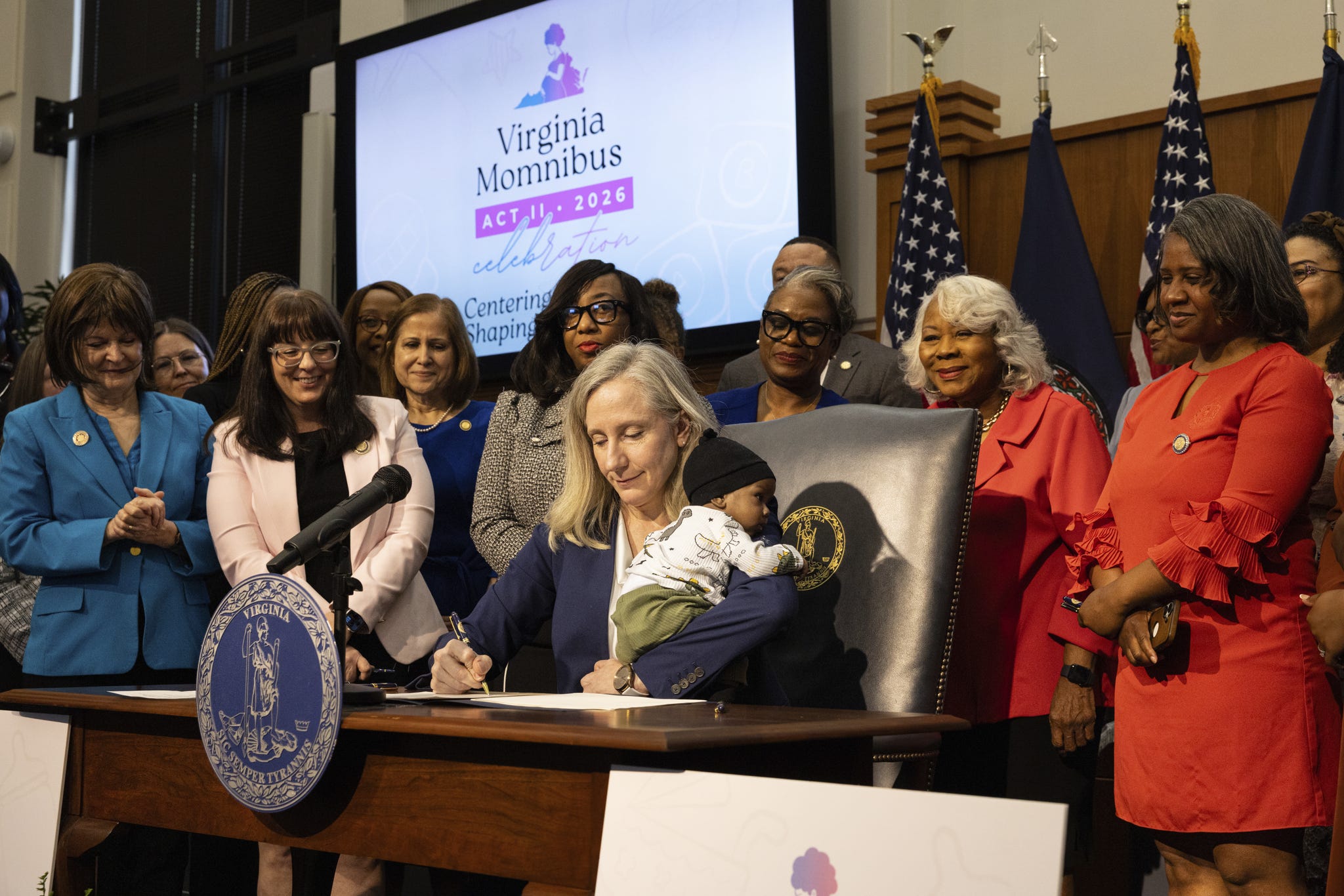
One lesson that the Democratic Party must learn from the Trump era is that spectacle is equally as important as progress. Creating a moment, a vibe of success, is critical to public perception. Where the Democratic Party of the past has failed to adequately tout its achievements, and was then punished at the ballot box by voters who believed they hadn’t done enough to address their concerns, the Democratic Party of tomorrow must be willing and eager to aggressively promote its policies, successes, and goals.
In many ways, it’s this dichotomy that explains why young people have become enamored with a cohort of leaders in the Democratic Party. For us, we’ve grown up watching promises go unfulfilled and been conditioned to believe that government isn’t capable of directly, meaningfully, or properly meeting our needs. We now know that to be wrong.
To borrow a phrase, hope is making a comeback.
If we’re able to harness that hope, even in small ways, the window of possibility becomes limitless.
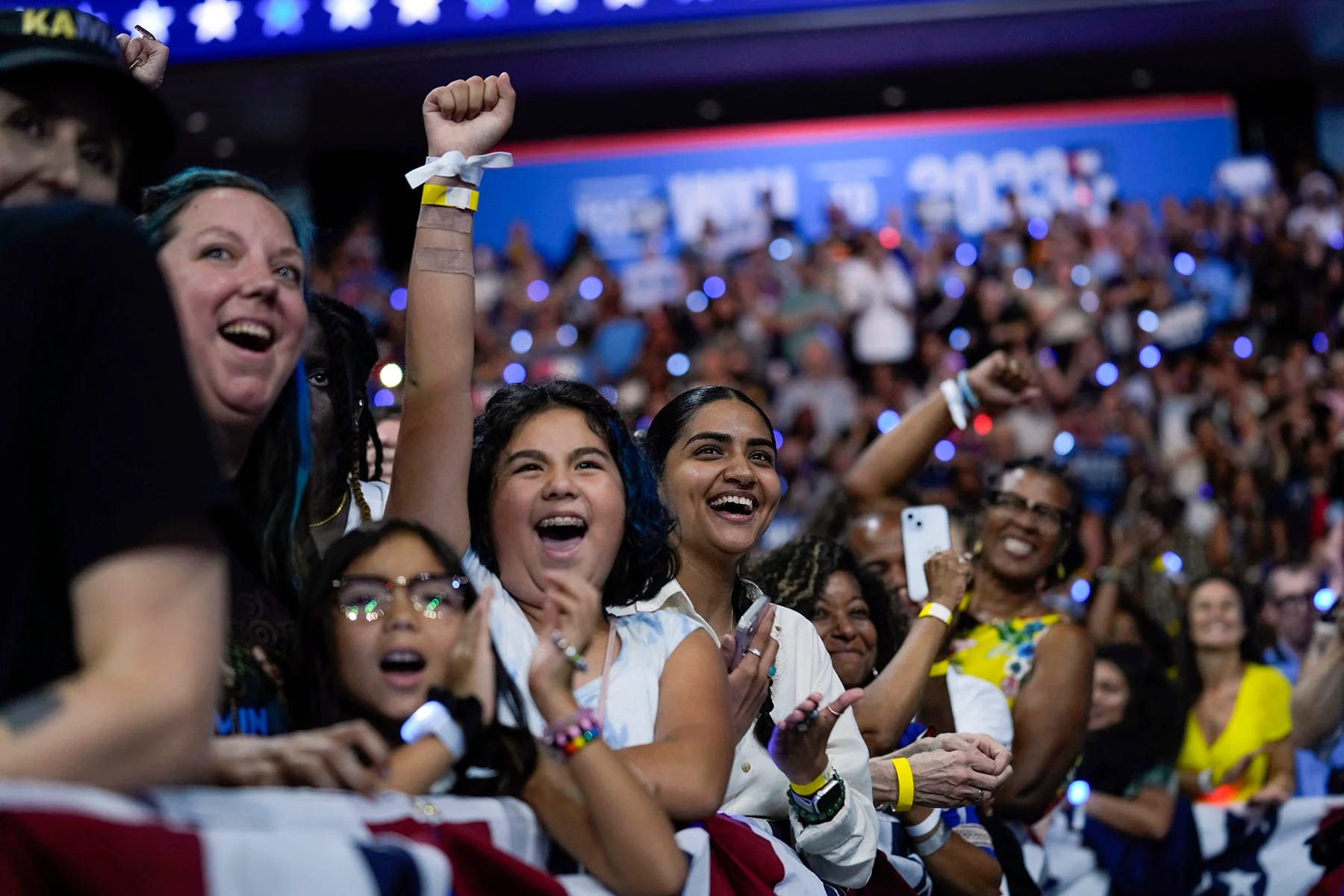
We have a chance, fleeting though it may be, to restore hope to a generation devoid of it, and finally make America that shining city on a hill that we’ve striven to be for so long. So, despite how bleak it may seem, let us have hope that better days are ahead, because together, they are.