

On Tuesday, April 7th, after weeks of escalating rhetoric against Iran culminating in an early morning Truth Social post where he claimed “an entire civilization will die tonight,” Donald Trump announced a 2-week delay on the planned strikes. In doing so, the United States averted what many feared would be the committing of war crimes at best and a genocide at worst.
After days of market volatility, of American allies and adversaries alike frantically trying to prepare for the possible deployment of nuclear weapons, and after members of Congress began openly urging the invocation of the 25th Amendment to remove Trump from office, it all came to … nothing.
Or did it?
Sure, there weren’t any nukes. No annihilation. Just a delay, announced with little explanation, as the administration stepped back from the brink it had itself created.
For Gen Z, we didn’t just hear about the crisis on the television. We couldn’t tune out when we got tired. We watched it unfold, in real time, post by post.
On Instagram, Twitter, and TikTok, we saw videos of smoke billowing into the sky as people screamed and their homes burned. Images and videos of people forming human chains around power plants in Iran, leveraging the value of their own lives in hopes of deterring an American-led genocide, went viral. Refugees held their loved ones, killed in airstrikes, in their arms and pleaded for peace.
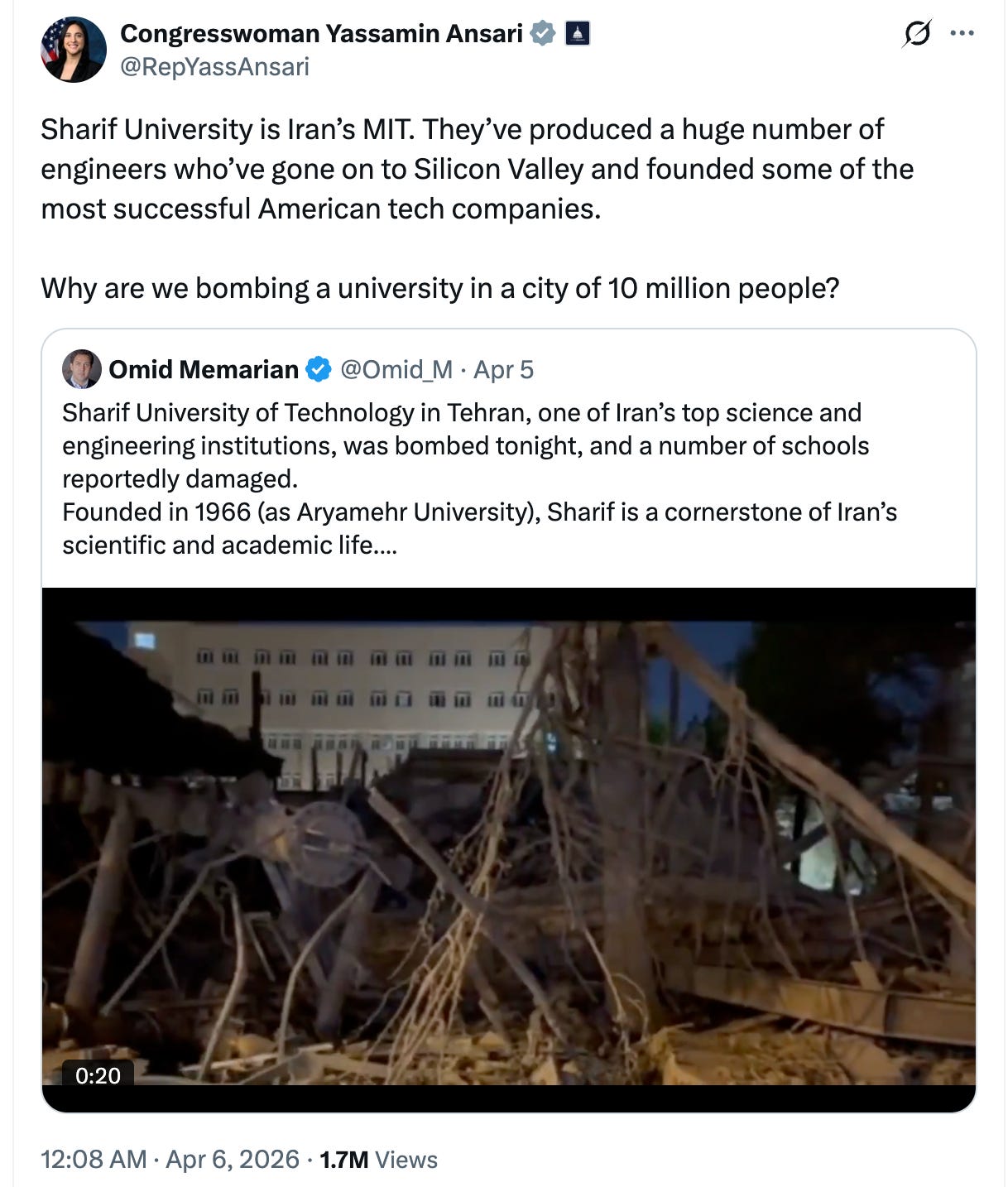
The carnage was inescapable; the pain universal. It didn’t feel distant, or abstract, but immediate and personal. Many of us feared that the situation could spiral at any second.
Gen Z has grown up in the shadow of American misadventures in Iraq and Afghanistan. We’ve watched their fallout play out in our homes, communities, and across our screens. Because of this exposure, we’ve seen what “forever wars” actually mean. We’ve seen who gets sent, who pays the price, and who is left to pick up the pieces.
It’s us.
In the coming days, some within the administration, and Trump himself, will claim this as a victory and a de-escalation that only a genius such as the president could achieve.
They will be lying.
Of course it’s good that the United States didn’t violate every international law that we ourselves wrote at the close of the Second World War; but that doesn’t mean America, or the world, emerged unscathed.
Ultimately, the damage wasn’t tied to whether the bombs fell or not. America was irreparably harmed the moment Trump’s threat was made credibly enough that the world had to believe it.
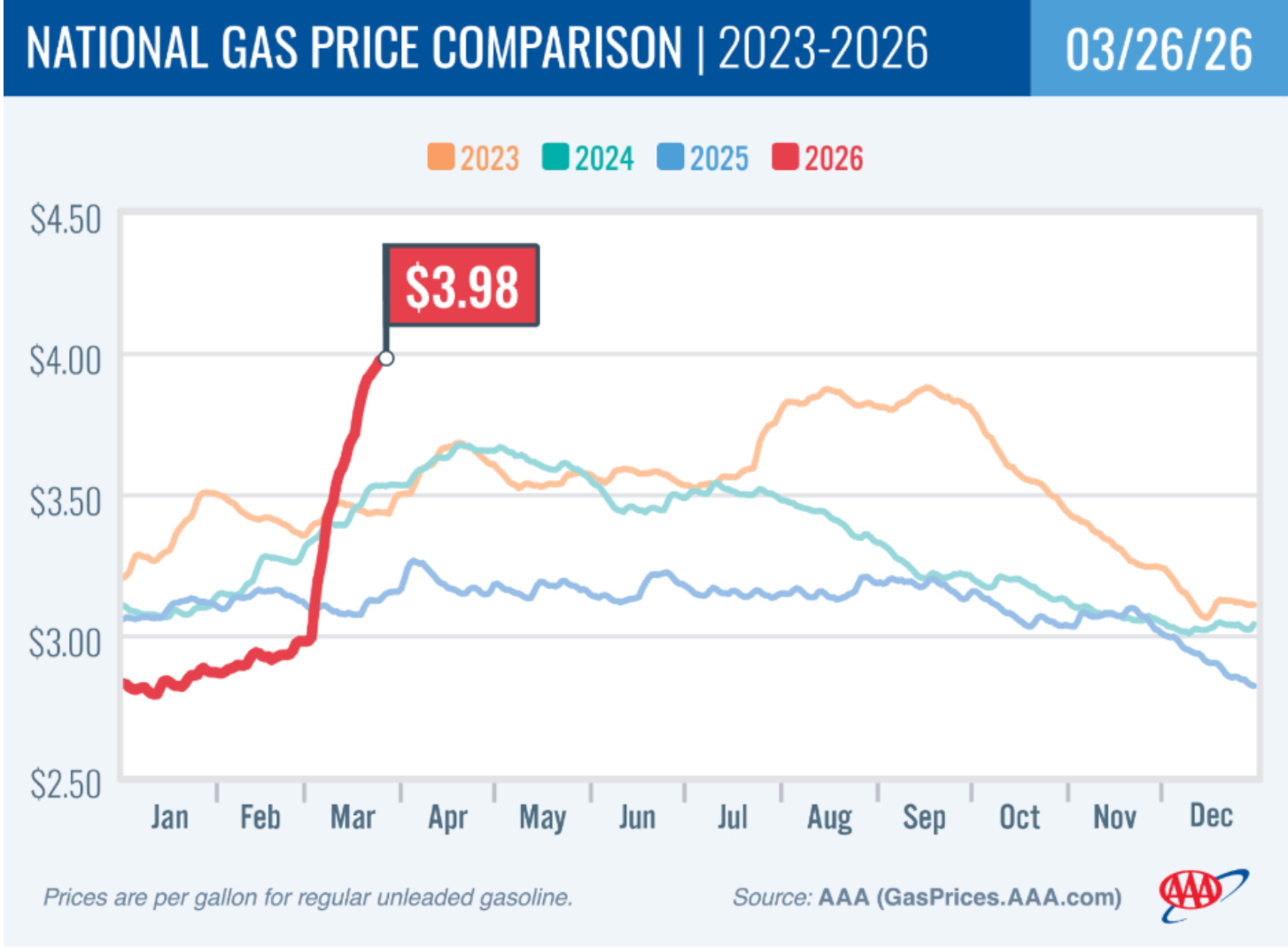
We’ve watched markets dip, gas prices spike, and everyday goods become even harder to attain.
Young people are the most economically vulnerable group in the United States. We have the highest unemployment rate, least savings, and most exposure to economic shocks. When markets swing, prices surge, and instability becomes the norm, it hits us first and hardest.
But you see, this is nothing more than par-for-the-course for Trump. We are but expendable collateral in pursuing his “Art of the Deal” – which, to be clear, is nothing more than a vain attempt at legacy-building, whether it be in Venezuela, Greenland, or in Iran today. To make the books of history, Trump is unconcerned with how many people must suffer and die in the process.
In many ways, this armageddonist approach has defined Trump’s political career from the very beginning: escalate, dominate the information environment, sow chaos, and then, just when it seems too late, pull back.
A name for this tactic has emerged from both critics and even some uneasy allies: T.A.C.O. – Trump Always Chickens Out.
That framing is not only fundamentally incorrect, but dangerously shallow.
Firstly, such a perception boxes Trump into a compulsory need to strike so as to prove his words carry real weight. Secondly, and more importantly, it misses the cost of performance.
On the home front, Trump has deployed ICE agents to indiscriminately target people based on the color of their skin, and empowered them to act with abandon, resulting in the deaths of two American citizens. He has deployed the National Guard to cities across the nation, militarizing America in hopes of vilifying dissent.
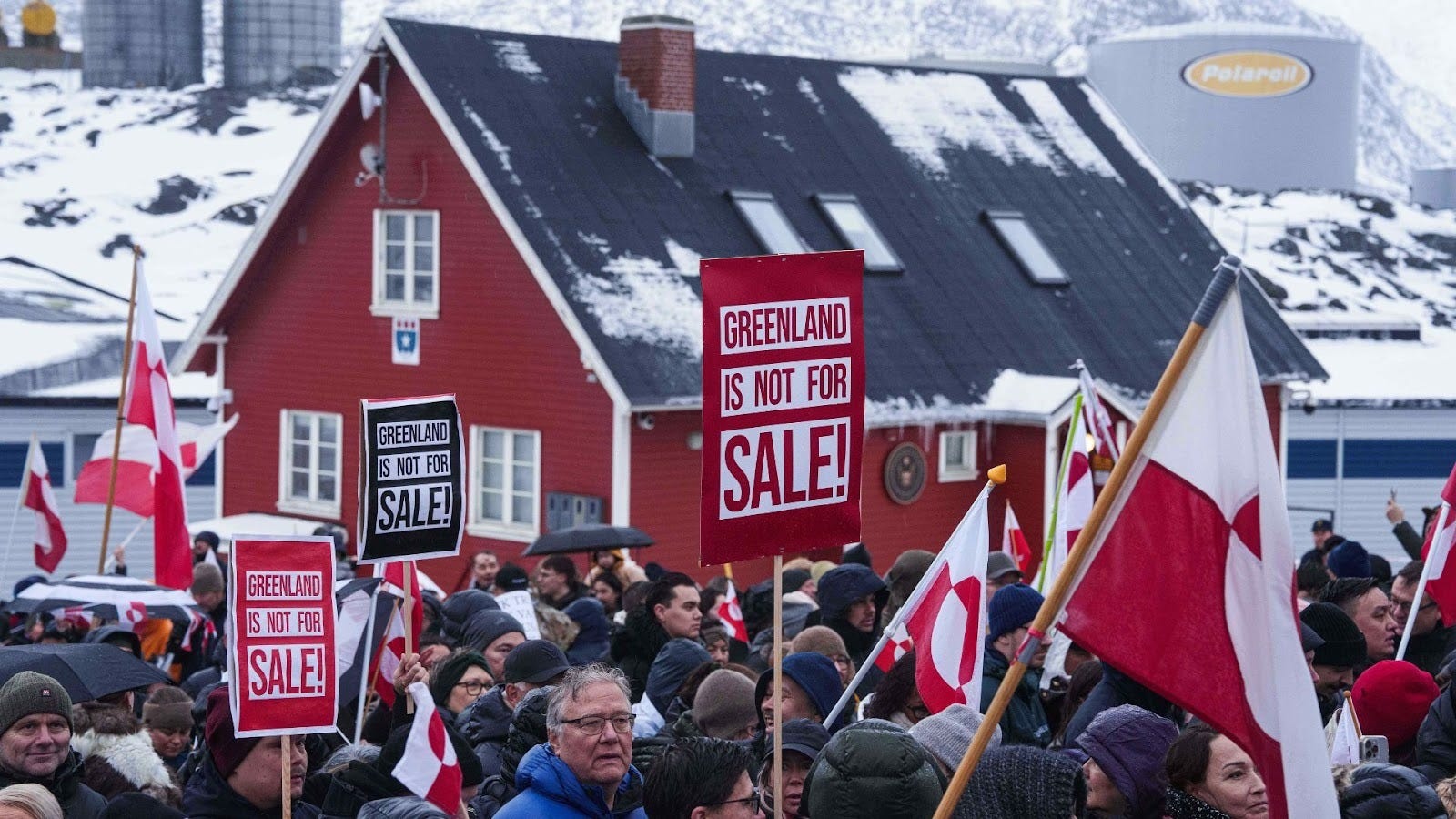
Internationally, Trump invaded Venezuela and captured its leader, Nicolas Maduro. He came to the brink of trading blows with the European Union over his ill-gotten desire for control of Greenland. He bombed Iran in June 2025, before launching his war of choice in February 2026.
Trump’s strategy of blasphemous statements to extract concessions and avoid conflict had, inadvertently, given him no choice but to attack.
To call yesterday’s back-down a TACO moment invites such a moment to come again, except there eventually won’t be an off-ramp. It also fails to recognize Trump’s inherent and omnipresent danger.
Trump has wielded, and continues to possess, great power to inflict harm on America and the world. TACO is too shallow because it treats each episode as isolated, when in reality, they stack. Today’s bluff increases the odds of a real crisis tomorrow.
We live in an era of unprecedented times. Every day, something that has seemingly never happened before happens. Our leaders should be striving to make life more normal, not less. We long for a time when life can be decidedly precedented.
None of the pain inflicted by Trump’s wars of choice and economic warfare can be unwound just because he changed his mind. The genie is out of the bottle. Next time, (because with Trump we’re all-but-guaranteed a next time,) de-escalation won’t be possible.
The financial costs cannot be avoided. The markets cannot simply reset; those price surges will be passed onto the American consumer in the form of higher gas prices, energy bills, and everyday goods. The instability will only become more clear, even if the war doesn’t.
Geopolitically, the damage is equally as severe. Once again, allies must reassess whether America can be a reliable international partner.
In the Trump era, it’s becoming clear that the answer is no.
Each time Trump leverages America against the world, he erodes credibility that our fellow Americans gave their lives to building over the last 250 years. Our credibility is our most intangible, yet valuable, asset we have. It’s been the least discussed casualty of Trump’s second term to date.
All of this damage over a crisis that, in the end, amounted to nothing.
However, the absence of action does not mean the absence of consequence.
We will all continue to feel the whiplash of Trump’s whims each day he is allowed to swing around American might without obstruction. We will continue to feel it in our social environment, in our political environment, and in our wallets. To date, fifteen American families have felt it in an empty chair at their dinner table. Of the service members killed, three were under thirty. One had just turned twenty.
Trump’s decision to step back from his self-constructed brink is not restraint. It isn’t prudence. It isn’t even, in any meaningful sense, successful brinkmanship.
It is the embodiment of crisis as a means of governance; volatility as performance.
Make no mistake, while the immediate danger has passed, Trump continues to loom over America like a ticking time bomb, just one tick away from exploding.
If he does, it will be left to Gen Z to pick up the pieces.
I agree with everything you say here. As a Baby Boomer, I pray that the future left for Gen Z will be better than the prospects look right now. Most of my life, I was unaware that those with great wealth and/or power thought about the rest of us very much like Trump does. Trump feels, and is, way worse than past US presidents. Disregard for those with little influence is, in retrospect, part of the human condition. May we as a species do a bit better going forward.
You're so right: calling him TACO is an afront to his narcissism & could trigger him to do the wrong thing. We're dealing with a man who's delusional, egomaniacal, & probably experiencing dementia. The stakes are now too high to taunt him: Iran & Voting Rights are critical, notwithstanding what added noise he creates to deflect from the Epstein Files. It's vital that we carefully tighten the screws.